
Experiential Learning Program: 2024 Fall

Program Goals and Objectives
PUBH 3120: Environmental and Climate Health
This course provides a comprehensive introduction to the framework, methodologies, and applications of environmental health, as well as the public health impacts and adaptations related to climate change. The course is divided into two sections.
- The first section covers the framework of environmental health, methods for studying the associations between environmental exposure and health outcomes, and regional and local environmental health topics. These topics include air pollution, water quality, food safety, solid waste, radiation, and the development of healthy communities and buildings.
- The second section addresses the adverse health consequences of climate change, specific preventive measures, and policies and actions to mitigate climate change and promote public health. It also covers policies, laws, regulations, and standards related to climate change and environmental hazards. The course equips students with approaches to assess and control climate threats and environmental risks. Students will gain familiarity with these concepts through course materials, discussion sessions, paper reviews, case studies, and hands-on experience.
After completing the course, students will be able to
- Describe the major physical, chemical, and biological agents in common environments.
- Understand and interpret the health effects of exposure to environmental agents.
- Assess the health consequences of environmental exposures using epidemiologic, toxicologic, and exposure assessment methodologies.
- Interpret causes and trends of climate change.
- Explain the major health impacts of climate change.
- Recommend regulatory, technological, and behavioral approaches to prevent and control environmental hazards and climate threats.
Student Outputs
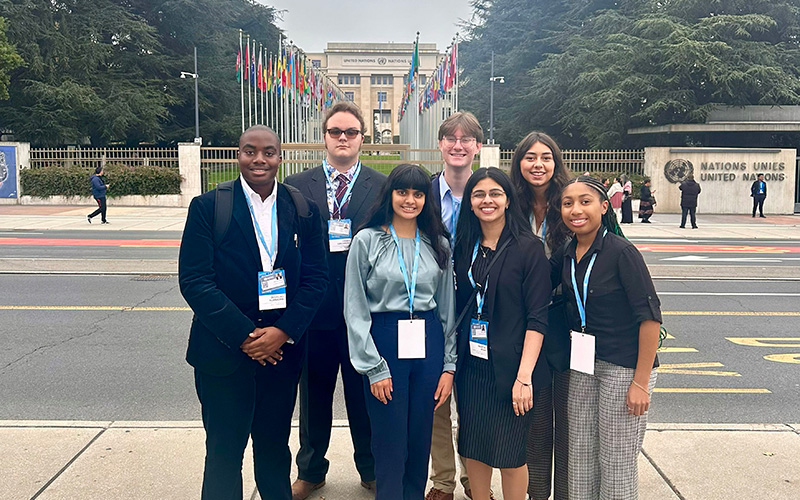
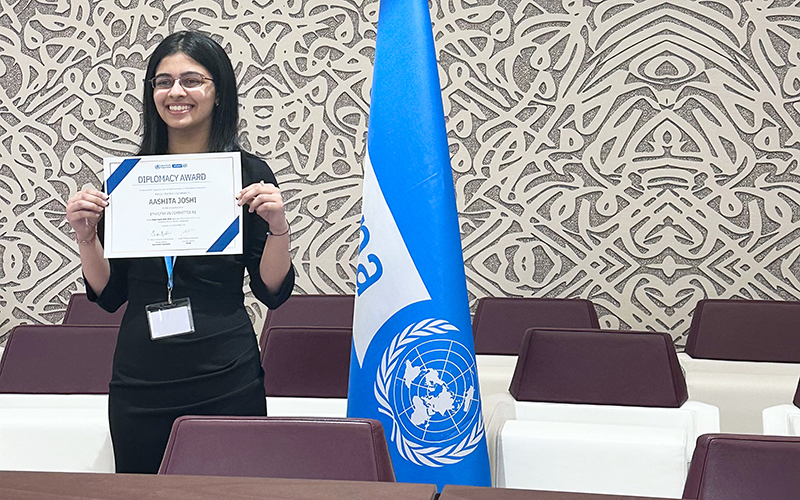
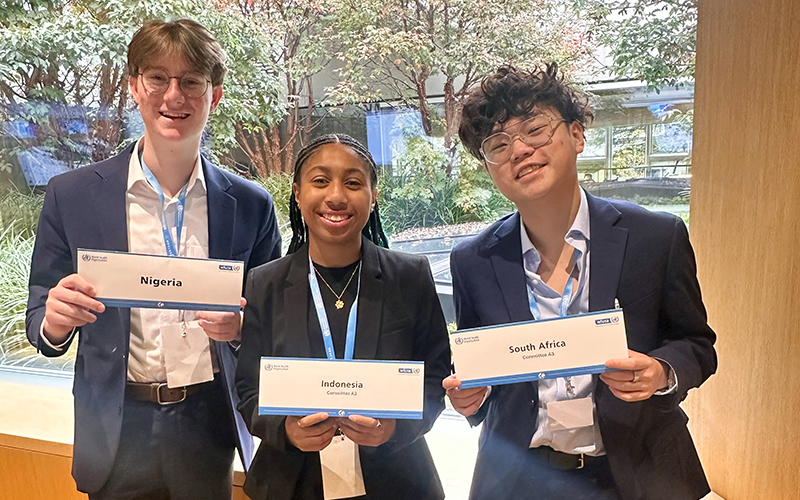
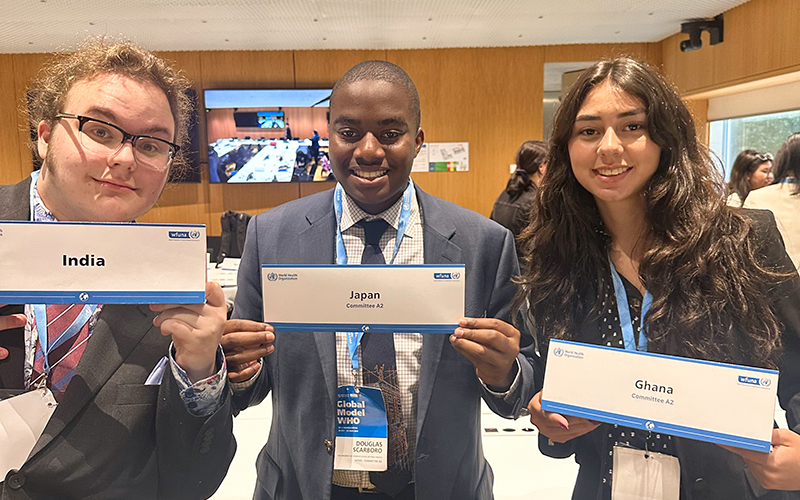
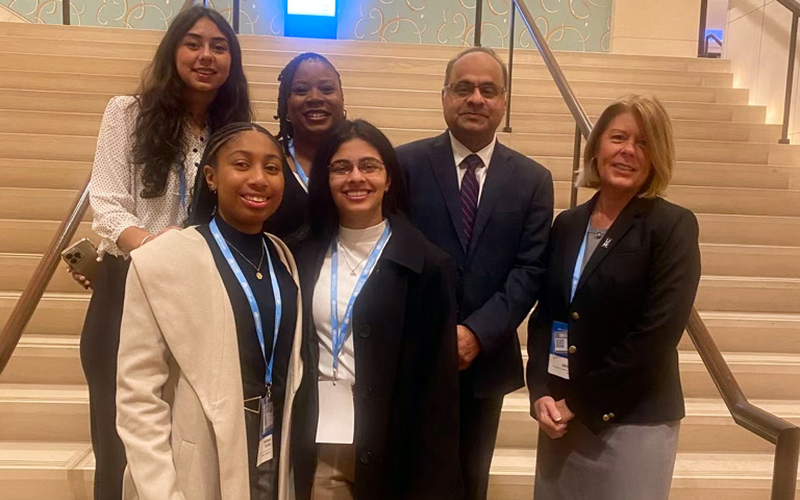
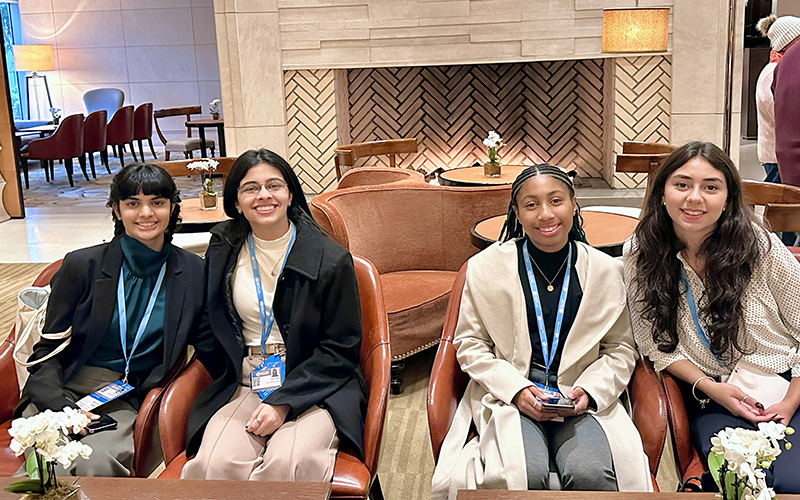
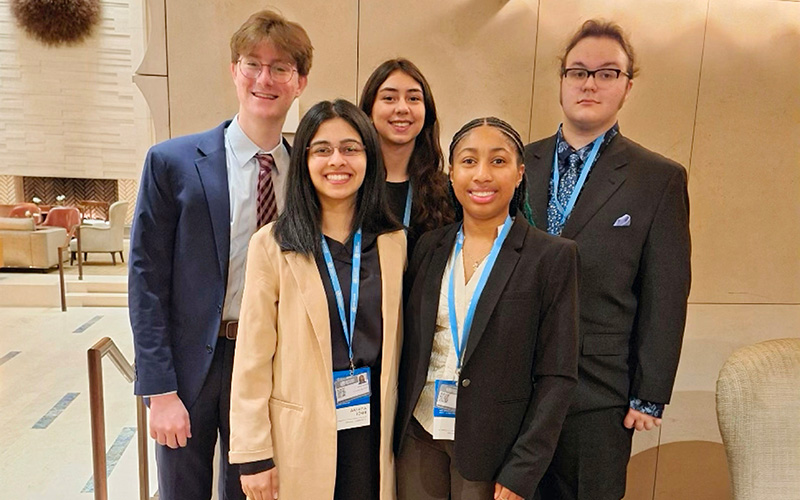
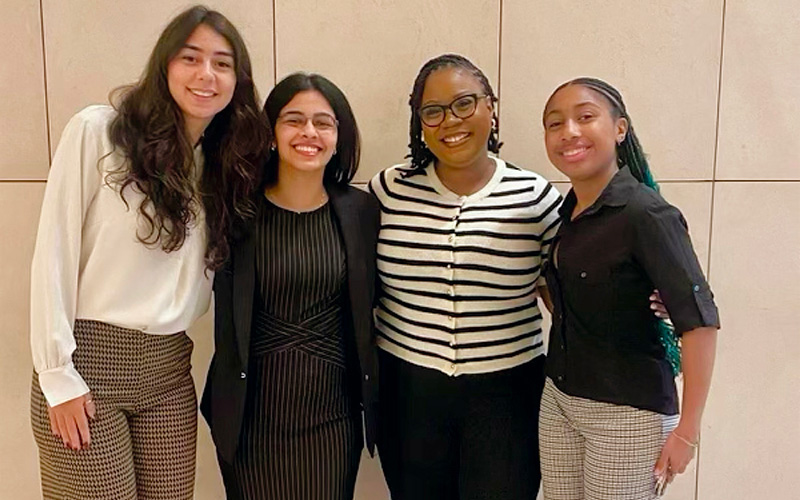
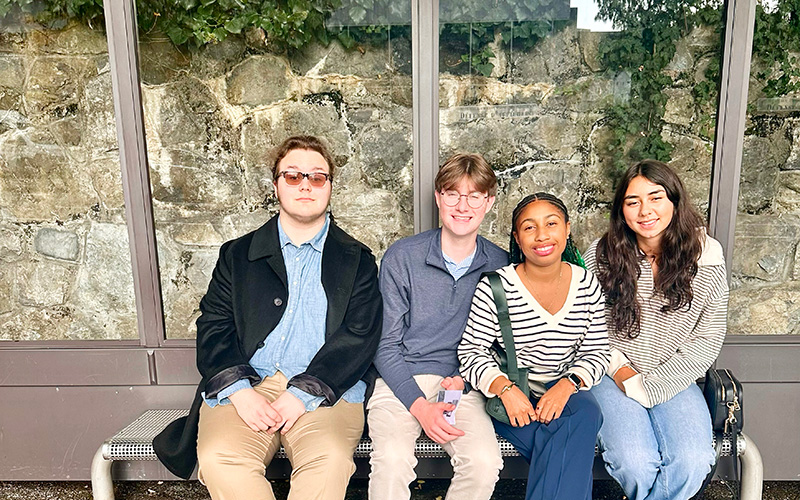
Students had the incredible opportunity to attend the first in-person Global Model WHO, jointly organized by the World Health Organization (WHO) and the World Federation of United Nations Associations (WFUNA) at the WHO Headquarters. The students traveled to Geneva to collaborate on innovative solutions to pressing global health issues and had the chance to interact with WHO experts. In their free time, attendees immersed themselves in the city’s rich history and vibrant culture, exploring major sights like the Palais des Nations, Geneva’s old town, and the Flower Clock. They also discovered hidden gems at the city’s markets and relaxed by the stunning Lake Geneva.
Complete PUBH 3120
Students will have credit for the PUBH 3160 course “Environmental and Climate Health” course.
Global Model WHO Conference
Attending students gained insights into global health challenges, collaborative problem-solving, and networking with WHO experts.
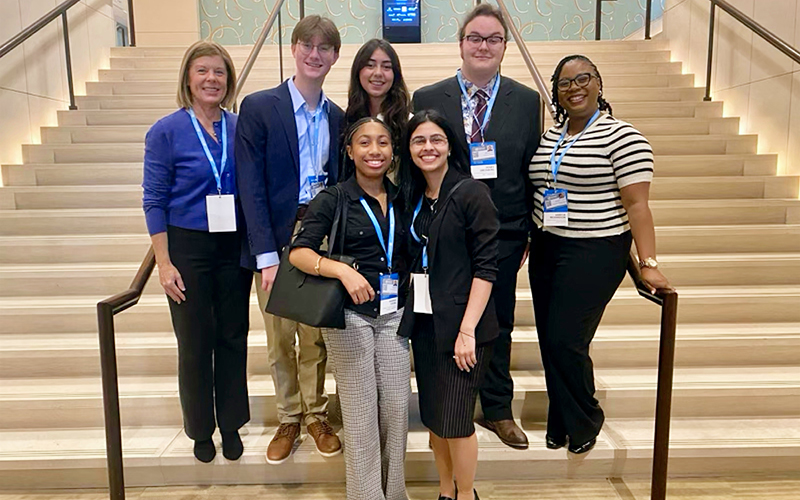
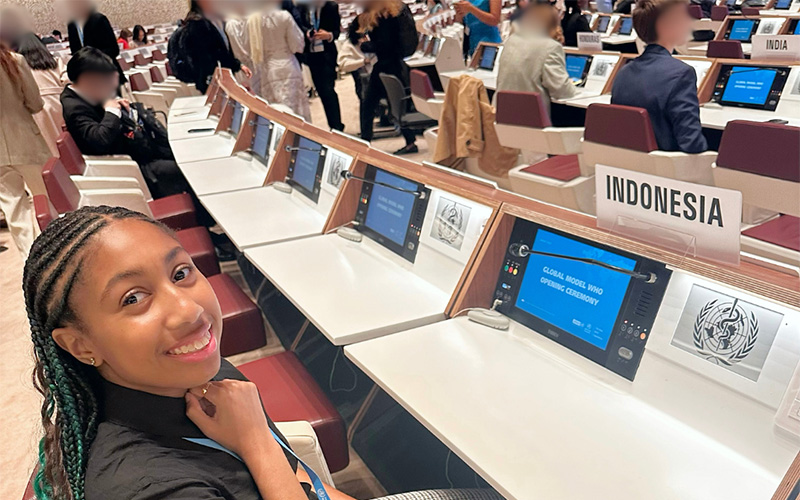
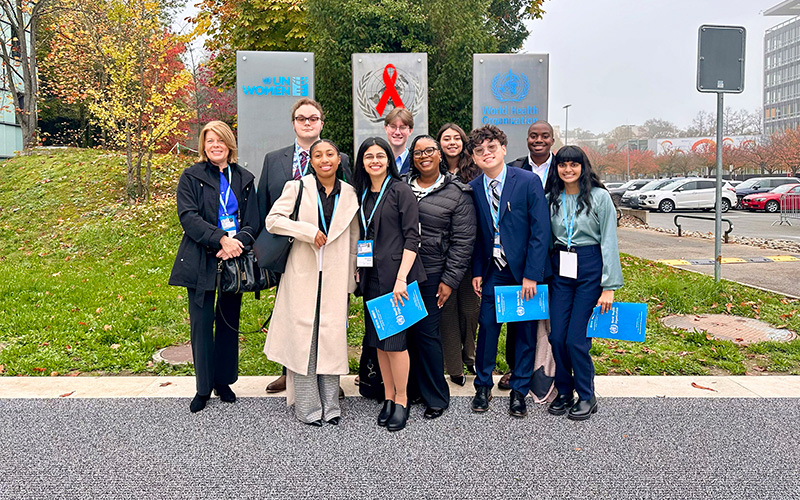
Photo Gallery - Global Model WHO in Geneva, Switzerland, 2024
October 29 - November 1, 2024 - The University of Memphis School of Public Health (SPH) and 8 students from University High School and White Station High Schools attended the first in-person Global Model WHO, jointly organized by the World Health Organization (WHO) and the World Federation of United Nations Associations (WFUNA) at the WHO Headquarters in Geneva, Switzerland.






Program Session Timeline
| ACT Prep Session Dates | August 13, 15, 20, 27, 29 September 3, 5, 10, 12 |
| Virtual Sessions | August 26, 28 September 4, 9, 11, 16, 18, 23, 30 October 2, 7, 9, 14, 16, 21, 23, 28, 30 November 4, 6, 11, 13, 18, 20, 25, 27 December 4, 6, 11, 13 |
| WHO Conference Session | Preparation Meetings - October 5th, 19th, and 26th Conference Dates - October 29th – November 1st |
Instructors

Lt. Colonel Ashley Williams

Cicely Odom
Tutor Memphis901
Graduate Assistants

Matthew Horton
Graduate Research Assistant

Elizabeth Butler
Graduate Research Assistant