
Papers by the Archivist William C. Love
The Benjamin Lawson Hooks Papers: An Introduction
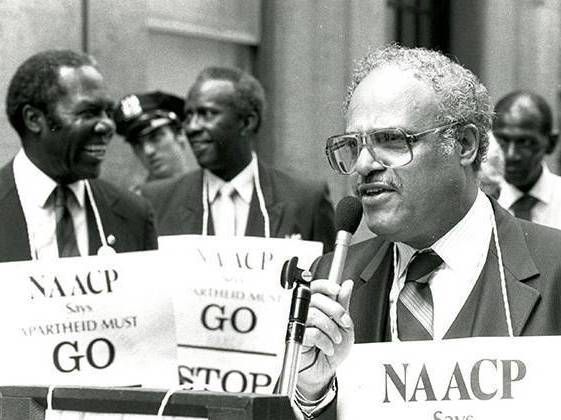 In 1996, Dr. Benjamin Hooks, three years retired as Executive Director of the NAACP,
donated his professional papers to the University of Memphis Libraries. The time and
scope of the papers range from the mid-1970s when he served as commissioner of the
Federal Communications Commission to the early 2000s when Dr. Hooks worked with the
Hooks Institute for Social Change, an institute that continues to work from the University
of Memphis to teach, study, and promote Civil Rights and social change in the Memphis
area.
The papers were given in installments to the University of Memphis Libraries between
1996 and 2006. The papers were processed and housed in 2007, with no new additions
arriving until 2015 when Dr. Hooks' daughter, Patricia Hooks, donated 4 boxes of manuscript
and audio/visual material. As the collection stands now, it contains 397 archival
boxes with close to 195,000 items that range from correspondence to printed material,
memoranda, administrative files, photographs, and audio/visual material.
Hooks Papers Introduction >
In 1996, Dr. Benjamin Hooks, three years retired as Executive Director of the NAACP,
donated his professional papers to the University of Memphis Libraries. The time and
scope of the papers range from the mid-1970s when he served as commissioner of the
Federal Communications Commission to the early 2000s when Dr. Hooks worked with the
Hooks Institute for Social Change, an institute that continues to work from the University
of Memphis to teach, study, and promote Civil Rights and social change in the Memphis
area.
The papers were given in installments to the University of Memphis Libraries between
1996 and 2006. The papers were processed and housed in 2007, with no new additions
arriving until 2015 when Dr. Hooks' daughter, Patricia Hooks, donated 4 boxes of manuscript
and audio/visual material. As the collection stands now, it contains 397 archival
boxes with close to 195,000 items that range from correspondence to printed material,
memoranda, administrative files, photographs, and audio/visual material.
Hooks Papers Introduction >
Benjamin Hooks, Ronald Reagan, and Economic Inequality
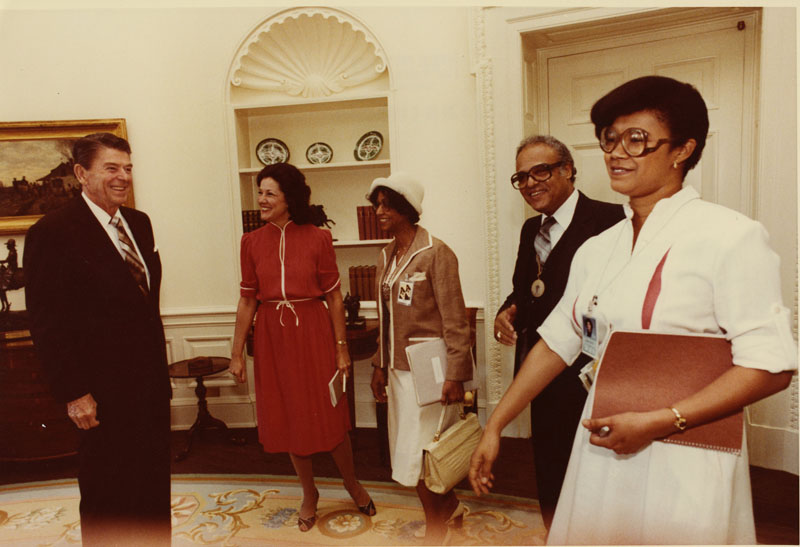 On March 10, 1981, Benjamin L. Hooks, Executive Director of the NAACP, stood before
the third annual NAACP Legislative Mobilization at a Baptist church in Washington,
D.C. to address what to him were the shortcomings of newly inaugurated president Ronald
Reagan’s political agenda. Reagan in his inaugural address, less than two months earlier,
had presented his case that the two main challenges to the current United States economy
were runaway inflation and federal regulation, both of which stemmed from the governmental
overreach of the 1970s. To stimulate the economy, Reagan proposed policies he believed
would decrease the role of government and augment the private self-rule of its citizens,
including lowering marginal tax rates and ending the manipulation of government by
special interest groups. To quote one of Reagan’s most memorable lines, “In this present
crisis, government is not the solution to our problem, government is the problem.”
Hooks’ rebuttal to Reagan before the Legislative Mobilization was not a clarion call
for more governmental intervention in the lives of African-Americans. Rather, Hooks
argued for the inevitable wealth disparity that would continue should we approach
the United States economy as an egalitarian market place, where all citizens exercise
their self-rule equally. Hooks noted in his speech that “We are in a dual economy,
because we are still in a dual society—still separate, still unequal.”
On March 10, 1981, Benjamin L. Hooks, Executive Director of the NAACP, stood before
the third annual NAACP Legislative Mobilization at a Baptist church in Washington,
D.C. to address what to him were the shortcomings of newly inaugurated president Ronald
Reagan’s political agenda. Reagan in his inaugural address, less than two months earlier,
had presented his case that the two main challenges to the current United States economy
were runaway inflation and federal regulation, both of which stemmed from the governmental
overreach of the 1970s. To stimulate the economy, Reagan proposed policies he believed
would decrease the role of government and augment the private self-rule of its citizens,
including lowering marginal tax rates and ending the manipulation of government by
special interest groups. To quote one of Reagan’s most memorable lines, “In this present
crisis, government is not the solution to our problem, government is the problem.”
Hooks’ rebuttal to Reagan before the Legislative Mobilization was not a clarion call
for more governmental intervention in the lives of African-Americans. Rather, Hooks
argued for the inevitable wealth disparity that would continue should we approach
the United States economy as an egalitarian market place, where all citizens exercise
their self-rule equally. Hooks noted in his speech that “We are in a dual economy,
because we are still in a dual society—still separate, still unequal.”Ben Hooks and Ronald Reagan >
Benjamin L. Hooks, Federal Communications Commission, 1972-1977
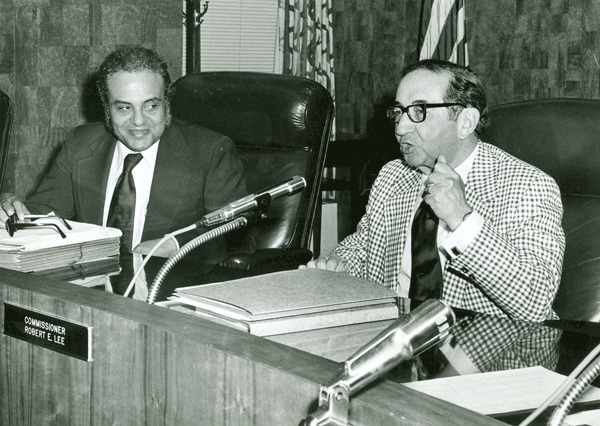 One early morning in 1972, Benjamin Hooks received a call from Howard Baker, Republican
senator from Tennessee. Baker informed Hooks that he intended to make Hooks the first
Black nominee for the Federal Communications Commission. At first, Hooks, suspicious
of adjoining himself to the Nixon administration, declined the offer but after discussing
the matter with his wife, Hooks changed his mind and accepted the nomination.
One early morning in 1972, Benjamin Hooks received a call from Howard Baker, Republican
senator from Tennessee. Baker informed Hooks that he intended to make Hooks the first
Black nominee for the Federal Communications Commission. At first, Hooks, suspicious
of adjoining himself to the Nixon administration, declined the offer but after discussing
the matter with his wife, Hooks changed his mind and accepted the nomination.
Benjamin Hooks, His Life in the Church
 “For as long as I can remember, the church has been an integral part of my life.”
So opened Dr. Hooks in a chapter of his memoir entitled “My Life and the Church.”
While Dr. Hooks is primarily remembered for his accomplishments as a lawyer, judge,
and NAACP executive, Dr. Hooks devoted a substantial part of his life to the church,
as both a layman and a minister. Dr. Hooks’ life in the church was both typical and
atypical of a Southern Black man born in the early twentieth century. Hooks was unsurprisingly
raised in the church and attended both Sunday school and worship services from a very
early age with his family. The main driver of his childhood faith was his mother,
with his father being largely indifferent to organized religion until later in life.
Yet, in spite of being the son of committed member of the AME tradition and often
attending AME worship services, Hooks was reared largely in an uncharismatic tradition.
First Baptist Church, Hooks’ Sunday school church from an early age, was what he called
a “blue stocking church” which incorporated “intellectual” sermons into worship services.
It was led by Dr. T.O. Fuller, one of the only Memphis Black preachers to have a formal
seminary education and who over the course of his life authored several books on Black
history and the Black church. Even when attending the AME worship services, Hooks
recalled that his mother never identified with the “shouting” aspects of many Black
churches.
“For as long as I can remember, the church has been an integral part of my life.”
So opened Dr. Hooks in a chapter of his memoir entitled “My Life and the Church.”
While Dr. Hooks is primarily remembered for his accomplishments as a lawyer, judge,
and NAACP executive, Dr. Hooks devoted a substantial part of his life to the church,
as both a layman and a minister. Dr. Hooks’ life in the church was both typical and
atypical of a Southern Black man born in the early twentieth century. Hooks was unsurprisingly
raised in the church and attended both Sunday school and worship services from a very
early age with his family. The main driver of his childhood faith was his mother,
with his father being largely indifferent to organized religion until later in life.
Yet, in spite of being the son of committed member of the AME tradition and often
attending AME worship services, Hooks was reared largely in an uncharismatic tradition.
First Baptist Church, Hooks’ Sunday school church from an early age, was what he called
a “blue stocking church” which incorporated “intellectual” sermons into worship services.
It was led by Dr. T.O. Fuller, one of the only Memphis Black preachers to have a formal
seminary education and who over the course of his life authored several books on Black
history and the Black church. Even when attending the AME worship services, Hooks
recalled that his mother never identified with the “shouting” aspects of many Black
churches.
Frances Dancy Hooks
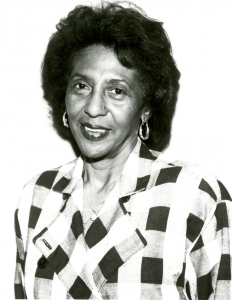 Born and raised in Memphis, Frances Dancy Hooks (1927 – 2016) was a well-known educator
and wife of NAACP executive director Benjamin Hooks. Through her work with the NAACP
and other organizations, Mrs. Hooks influenced the trajectory of initiatives involving
education, poverty, and women's rights here in Memphis and throughout the nation.
This presentation will focus on her life as a teacher, activist, and church member,
demonstrating how her work at the intersection of African-American and women's civil
rights greatly influenced modern women's history.
Born and raised in Memphis, Frances Dancy Hooks (1927 – 2016) was a well-known educator
and wife of NAACP executive director Benjamin Hooks. Through her work with the NAACP
and other organizations, Mrs. Hooks influenced the trajectory of initiatives involving
education, poverty, and women's rights here in Memphis and throughout the nation.
This presentation will focus on her life as a teacher, activist, and church member,
demonstrating how her work at the intersection of African-American and women's civil
rights greatly influenced modern women's history.